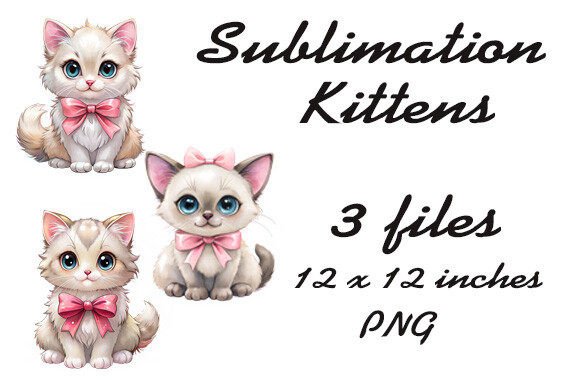
Review: Sublimation Watercolor Kittens PNG for Embroidery
As a designer who spends half my life digitizing artwork and the other half stitching it out, I have learned to be skeptical of digital assets that promise versatility without delivering structural integrity. When I first opened the Sublimation Watercolor Kittens PNG, my initial reaction was aesthetic appreciation followed immediately by technical scrutiny. This is not just a cute image; it is a complex visual challenge for anyone looking to translate soft, fluid watercolor aesthetics into the rigid geometry of thread. For embroidery designers, small business owners, and Etsy sellers, understanding how this specific graphic translates from screen to fabric is crucial before committing to a production run.
First Impressions: Mood and Visual Personality
The immediate mood created by this illustration is one of gentle whimsy and warmth. The watercolor technique implies softness, which is a delightful contrast to the often stark nature of machine embroidery. The layout features kittens in relaxed, organic poses, avoiding stiff or overly symmetrical compositions. This lack of rigidity is a double-edged sword for us as stitchers. While it looks beautiful as a static image, converting these soft edges into satin stitches or fill stitches requires careful planning. The visual personality is inherently handmade, which aligns perfectly with the current market demand for authentic, artisanal-looking products. However, because the source file is a PNG within a zip folder, we are dealing with raster graphics, not vector paths. This means the responsibility for defining stitch types—whether you choose a dense fill stitch for the body or a delicate running stitch for outlines—falls entirely on your digitizing software or your chosen digitizer.
Real-World Application: The Custom Tote Bag Test
To evaluate the practical utility of the Sublimation Watercolor Kittens PNG, I mentally projected it onto a standard canvas tote bag, a staple item for any craft business. Canvas has a distinct weave and texture that can swallow fine details. In this scenario, the success of the design depends heavily on scale. If you attempt to stitch this design at a small hoop size, say 4x4 inches, the subtle gradients of the watercolor effect will likely turn into a muddy cluster of threads. The "handmade watercolor painting" description suggests soft transitions, but thread is solid. To make this work on a tote bag, I would recommend enlarging the design to utilize a 5x7 or larger hoop. This allows enough physical space for the stitch density to breathe, preventing the fabric from puckering under the weight of the thread.
For apparel decorators, consider the sweatshirt embroidery angle. A fleece or cotton blend sweatshirt provides a plush background that complements the cozy theme of kittens. Here, the design could serve as a central chest piece or a larger back print. However, you must account for the stretch of the fabric. Using a proper cut-away stabilizer is non-negotiable here. Without it, the weight of the fill stitches required to mimic the watercolor bodies will distort the garment over time, ruining the professional look of your finished product.
Navigating Technical Challenges and Fabric Choices
There are specific scenarios where you should use caution with this type of graphic. Dark fabrics present a significant hurdle. Watercolor art relies on transparency and light. If you stitch this directly onto black navy denim, you will need to lay down a substantial underlay or even use an applique design technique with white fabric beneath the stitching to ensure the colors pop. Otherwise, your thread colors will mute significantly, losing the vibrant charm that makes the original PNG appealing.
Additionally, textured fabrics like terry cloth towels or rough linen require a different approach. The intricate details of the kittens' faces might get lost in the pile of a towel. In such cases, simplifying the design during the digitizing phase is key. You might opt for broader satin stitch borders around the main shapes to define them clearly against the textured background. For thin or stretchy fabrics, such as those used in baby clothes, the stitch density must be reduced. High-density stitching can make a onesie stiff and uncomfortable against a baby’s skin. Always test the design on scrap fabric first to gauge the hand-feel of the final embroidered patch.
Enhancing Brand Value and Customer Trust
From a business perspective, the quality of your design assets directly impacts customer trust. Using a high-quality, well-digitized version of the Sublimation Watercolor Kittens PNG can elevate a simple item into a premium personalized gift. Whether it is for wedding invitations printed on cardstock or holiday cards, the consistency of your visual branding matters. If you are selling digital embroidery files, ensuring that your preview images accurately represent the stitched outcome is vital for buyer engagement. Misleading mockups lead to refunds and negative reviews. By being transparent about how the watercolor style translates to thread, you build credibility with your clientele.
For boutique branding, this design fits well within a niche focused on nursery decor or pet lovers. It offers a cohesive look that can be applied across various products, from pillow covers to aprons. This consistency helps in building brand recognition. When customers see that same charming kitten style on multiple items, they begin to associate that aesthetic with your shop’s quality and taste.
Practical Designer Notes for Execution
Before you load this design into your machine, there are several critical steps to take. First, check the thread color contrast. Watercolor images often use subtle shifts in hue. In embroidery, you have limited spools. You may need to simplify the color palette, choosing three to five dominant thread colors rather than trying to match every gradient. Use a color chart to select threads that offer sufficient contrast against each other to maintain definition.
Second, inspect the small details. The eyes and whiskers of the kittens are focal points. Ensure these are digitized with precision, perhaps using a finer needle and lighter thread weight for these areas to capture delicacy. Third, confirm licensing. The product description mentions it is for printing on dishes and clothes, but as an embroidery professional, you must verify if the license covers commercial embroidery sales. Never assume; always read the terms provided in the zip fold.
Finally, create printable mockups and test stitches on both light and dark backgrounds. Compare the results. You might find that the design works beautifully on a natural linen tea towel but fails on a synthetic cap due to curvature issues. Curved surfaces like caps distort flat designs. If you plan to use this on headwear, you may need to warp the design slightly in your digitizing software to compensate for the curve.
Final Verdict on Design Utility
The Sublimation Watercolor Kittens PNG is a versatile asset for those willing to put in the technical legwork. It is not a plug-and-play solution for beginners who expect perfect results without adjustment. However, for experienced embroidery designers and serious craft business owners, it offers a charming foundation for creating high-value handmade products. By respecting the limitations of thread and fabric, and by applying thoughtful digitizing practices, you can transform this digital illustration into a tangible, beloved item. Whether for a custom apparel line or a seasonal holiday collection, this design holds potential, provided you approach it with a realistic understanding of the medium.